Type of show

Classical concerts in Vienna, Prague and Venice: what to expect

These are short programmes of well-known pieces in palaces and churches, sold by seat category. Here is how to read the ticket.

Classical concerts

What it is

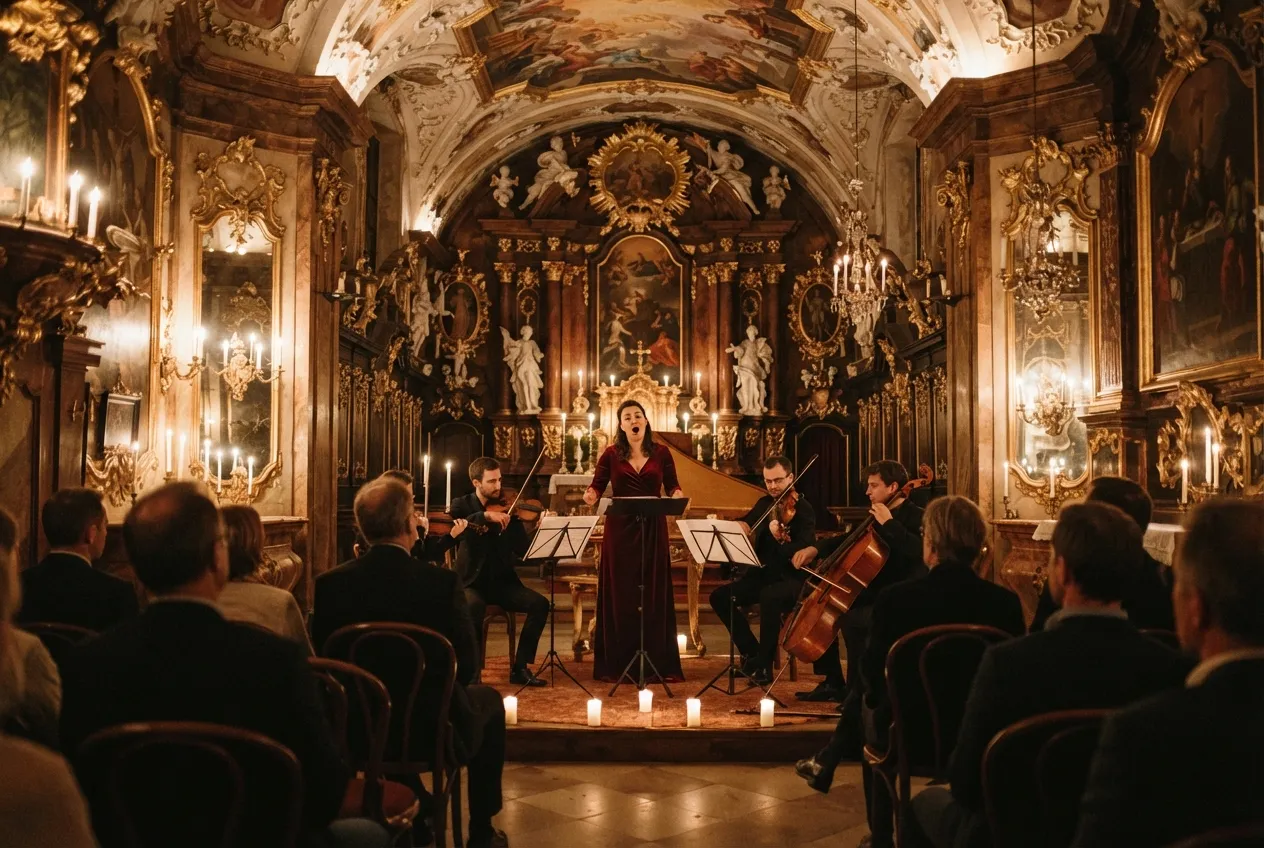
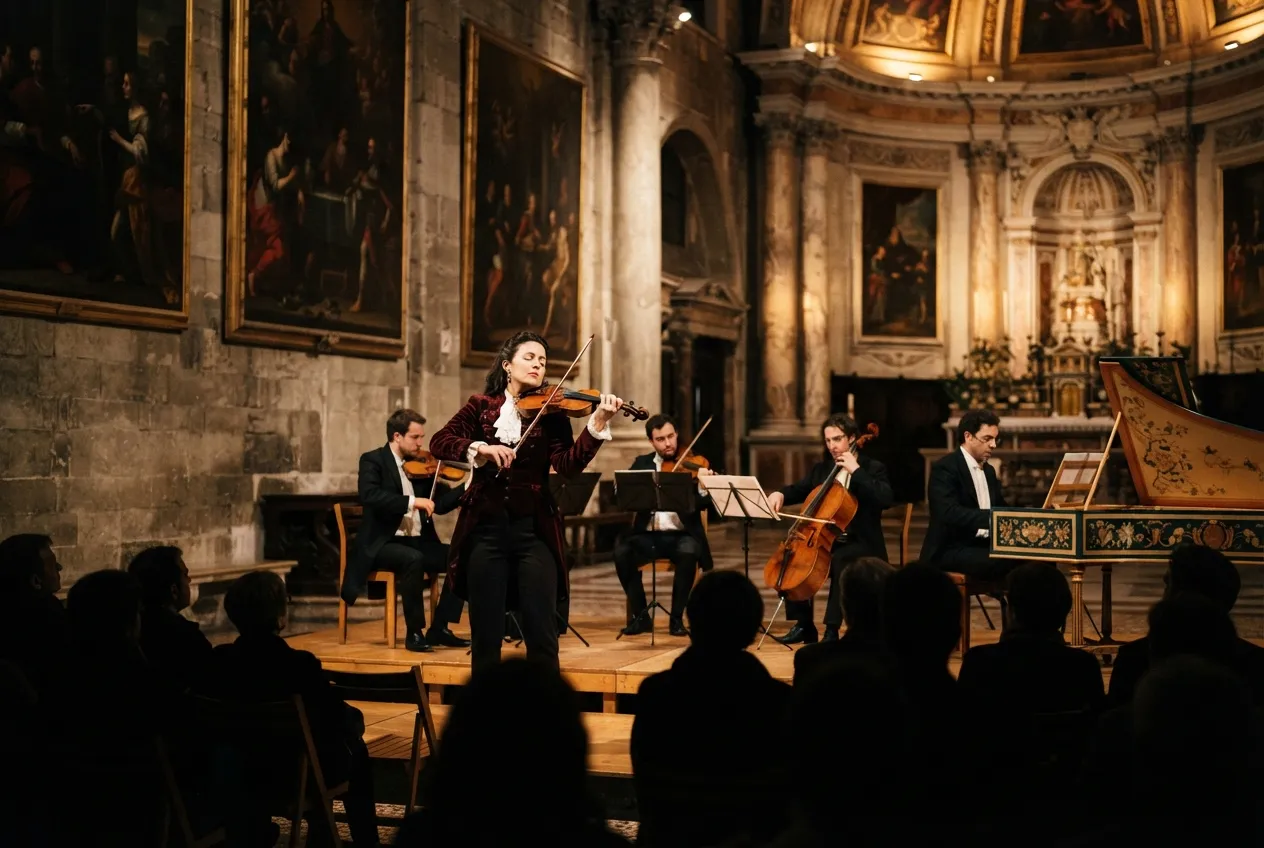
Vienna, Prague and Venice each have a concert trade aimed at visitors, separate from the season of the main opera house or philharmonic hall. A chamber ensemble or small orchestra plays a short programme of well-known pieces in a palace hall, church or historic salon. The repertoire follows the city: Mozart and Johann Strauss in Vienna, Mozart, Dvořák and Vivaldi in Prague, Vivaldi and Italian opera arias in Venice.

The link to each city is historical. Mozart lived in Vienna for the last ten years of his life and premiered Don Giovanni in Prague in 1787. Strauss wrote his waltzes for Viennese ballrooms. Vivaldi was born in Venice and taught at the Ospedale della Pietà. The concerts are built on that link. Some are played in period costume or on period instruments, and some add two singers or a pair of ballet dancers.

Expect 60 to 90 minutes. Longer programmes have an interval and church concerts often run straight through. Tickets are sold by seat category, usually three or four, priced by distance from the stage. Inside a category the seats may be numbered or free. Some tickets add a glass of sparkling wine, a dinner beforehand or a tour of the building. In Venice, one small opera format moves the audience from room to room of a palazzo, one act in each.
Words you will meet

Seat category
A price band (A, B, C or VIP) that sets how close to the players you sit, not always a specific seat.
Programme
The list of pieces to be played, which in these concerts is usually single movements and arias, not complete works.
Ensemble or orchestra
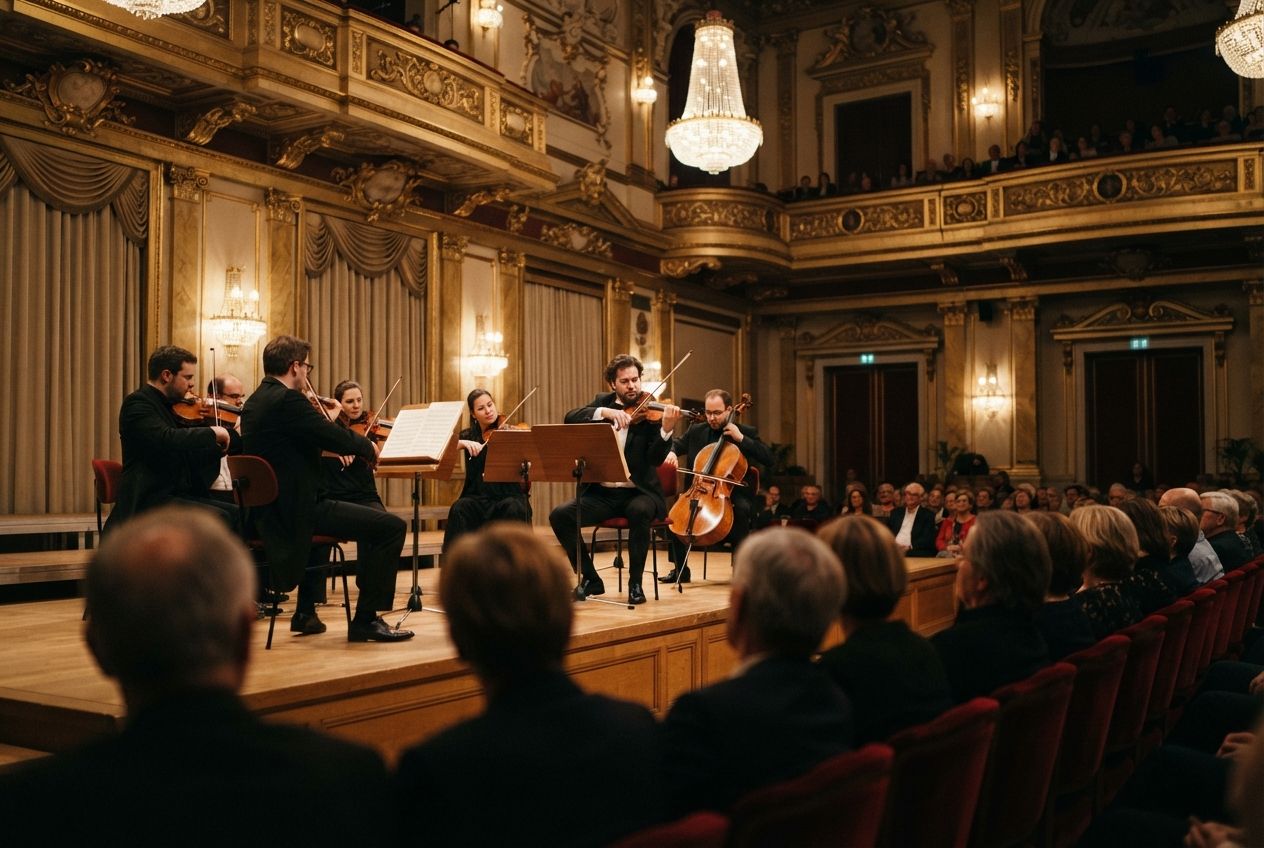
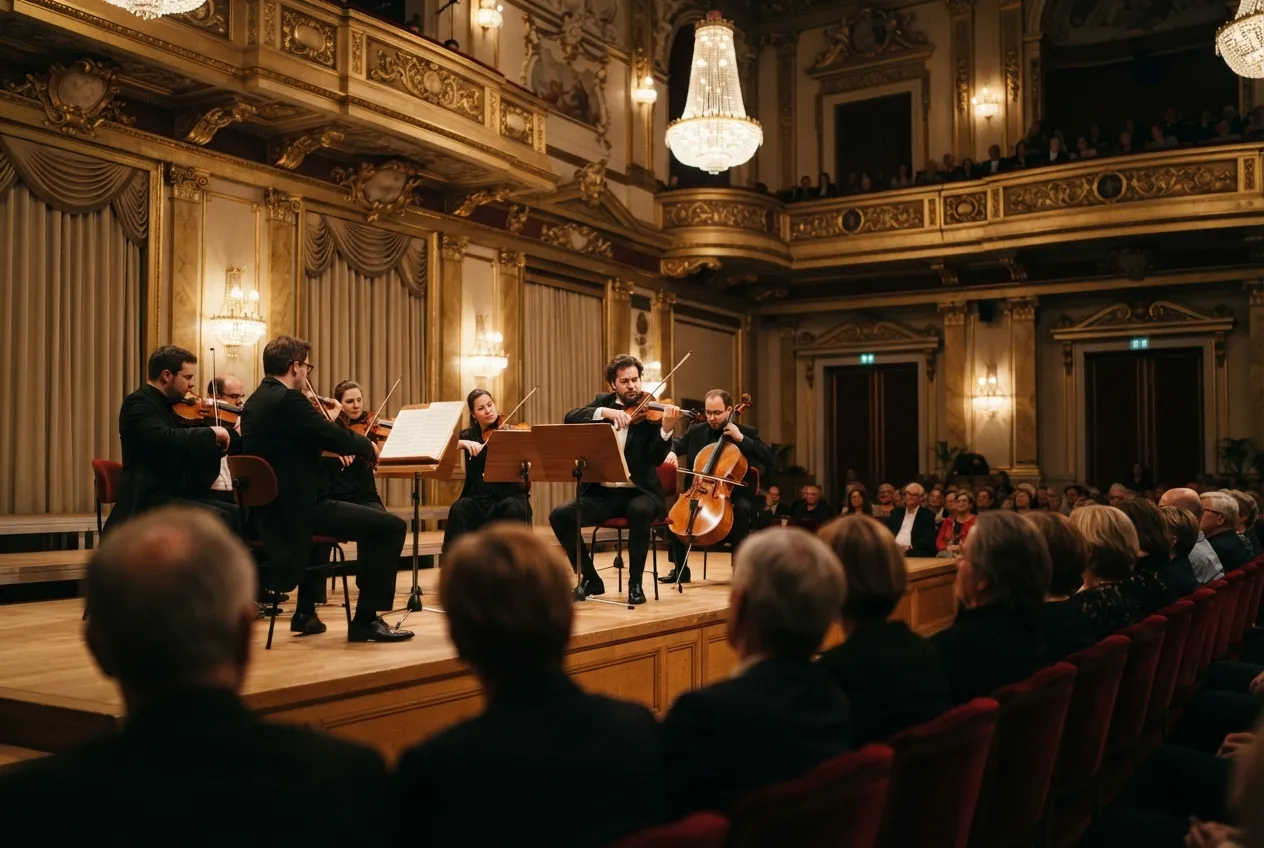
An ensemble is a handful of players, often a string quartet or quintet, while an orchestra in these halls means roughly 10 to 30 musicians.
Period instruments
Instruments built or set up as they were in the composer's time, such as gut-string violins and a harpsichord.
Free seating
Unnumbered seats within your category, taken in order of arrival.
Interval
A break of 15 to 20 minutes in the middle of a longer programme, when the bar is open.
Named halls
Ticket pages lead with the room, for example the Kursalon in Vienna's Stadtpark or a sala terrena, the painted ground-floor garden hall of a baroque palace.

The most reviewed shows

You book on Civitatis, the ticket platform, under its own terms.

Common questions

Is this the same as a night at the State Opera or the Philharmonic?

No. Those institutions sell full-length works in their own season, often months ahead. The concerts described here are shorter, run most evenings of the year and are produced by private organisers for visitors.

How long does a concert last?

Between 60 and 90 minutes in most cases. The ticket page states the length and whether there is an interval.

What should I wear?

There is no dress code at most of these concerts, and smart casual is what the majority of the audience wears. Beachwear and sportswear look out of place in a palace hall, and a few organisers say so in writing.

Which seat category should I choose?

Look at the room before the price. In a church or a hall with a flat floor, the rear categories hear well and see little. Where seating is free inside a category, arriving early matters more than paying for the next band up.

Let the city set the stage

Where are you going?

Pick the city, then tell us who is going.